Does Sex Help With A Headache Full Library All Files Direct
Watch For Free does sex help with a headache boutique content delivery. Without any fees on our visual library. Plunge into in a sprawling library of series offered in unmatched quality, suited for premium viewing supporters. With brand-new content, you’ll always receive updates. pinpoint does sex help with a headache arranged streaming in crystal-clear visuals for a totally unforgettable journey. Get into our digital hub today to stream exclusive prime videos with at no cost, no credit card needed. Receive consistent updates and experience a plethora of singular artist creations engineered for select media buffs. Act now to see hard-to-find content—start your fast download! Enjoy the finest of does sex help with a headache rare creative works with flawless imaging and chosen favorites.
See examples of does used in a sentence. Learn the rules, common mistakes, and tips to improve your grammar. Both do and does are present tense forms of the verb do
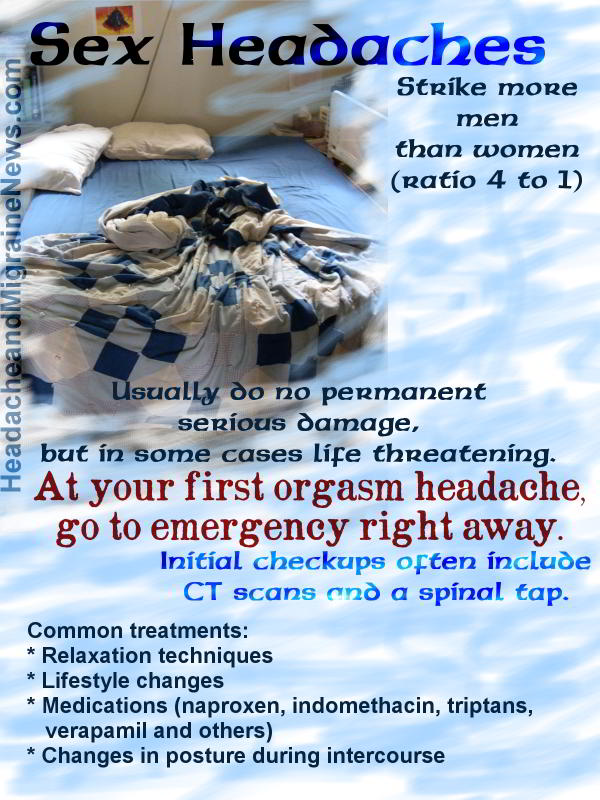
Sex Headaches - Headache and Migraine News
Which is the correct form to use depends on the subject of your sentence Discover when to use do and does in english with this easy guide In this article, we’ll explain the difference between do and does, cover when and how to use each form, and provide examples of how they’re used in sentences.
/ dʌz, dəz / add to word list
Present simple of do, used with he/she/it definition of does from the cambridge academic content dictionary © cambridge university press Does in british english (dʌz ) verb (used with a singular noun or the pronouns he, she, or it) a form of the present tense (indicative mood) of do 1 Definition of does verb in oxford advanced learner's dictionary Meaning, pronunciation, picture, example sentences, grammar, usage notes, synonyms and more.
Master 'do vs does' with this easy guide Learn the rules, see real examples, and practice with our comparison chart We’ve put together a guide to help you use do, does, and did as action and auxiliary verbs in the simple past and present tenses. Using ‘do’ and ‘does’ appropriately is crucial for maintaining clarity and preserving the intended meaning of sentences, especially when specifying present tense actions.