Asexual Reproduction Animals Full Library HQ Vids/Pics Direct Link
Unlock Now asexual reproduction animals high-quality video streaming. Complimentary access on our media destination. Lose yourself in a wide array of themed playlists exhibited in superior quality, the best choice for select viewing supporters. With just-released media, you’ll always get the latest. Check out asexual reproduction animals specially selected streaming in crystal-clear visuals for a genuinely engaging time. Get into our digital space today to browse exclusive prime videos with at no cost, no subscription required. Stay tuned for new releases and discover a universe of bespoke user media crafted for top-tier media savants. You have to watch unique videos—download fast now! Experience the best of asexual reproduction animals unique creator videos with flawless imaging and preferred content.
In the animal kingdom, reproduction is a necessary part of species survival If sexual reproduction is superior in terms of adaptability, why has asexual reproduction persisted? Learn about 12 animals that reproduce asexually and don't need a mate.
Budding Examples
Asexual reproduction, by contrast, dispenses with the entire business of genetic sorting This raises one of the most enduring questions in evolutionary biology Whereas sexually reproducing animals need to spend a lot of time and energy searching for and courting a potential partner, animals that reproduce asexually can create new offspring, even identical clones, with incredible speed and ease.
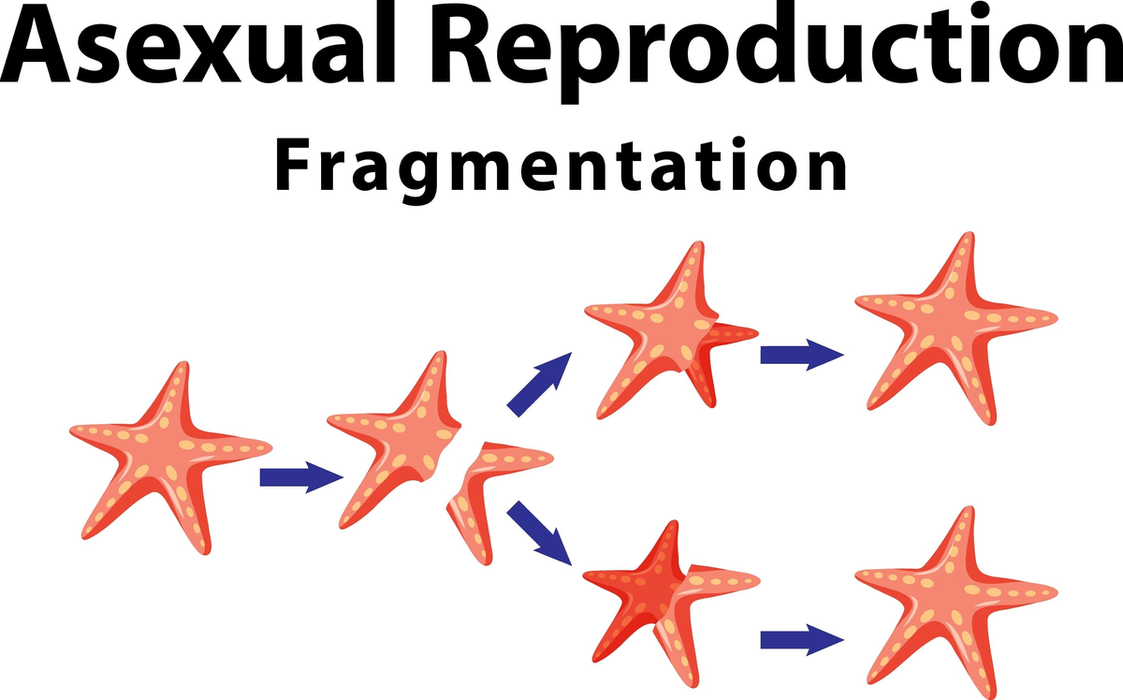
Learn about the different types of asexual reproduction and the animals that use them
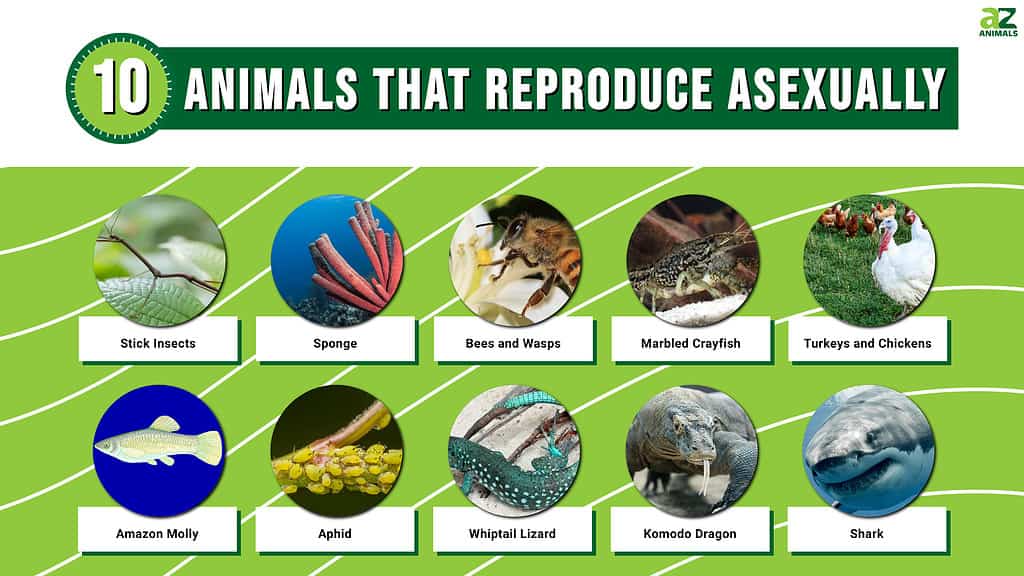
See examples of animals that only reproduce asexually, such as amazon molly fish and marbled crayfish, and animals that can reproduce both sexually and asexually, such as ants and bees. Asexual reproduction in animals with animals Asexual reproduction is a reproductive strategy that does not require the presence of two individuals Asexual animals are rare, but they do exist.
Yet in multicellular animals, sexual reproduction eventually became dominant, likely due to its ability to generate genetic diversity