What Does Intersexual Mean 2026 Media Vids & Images Get Now
Gain Access what does intersexual mean world-class viewing. On the house on our video archive. Dive in in a massive assortment of selections highlighted in cinema-grade picture, a dream come true for premium viewing fans. With the latest videos, you’ll always be in the know. pinpoint what does intersexual mean chosen streaming in impressive definition for a remarkably compelling viewing. Sign up today with our entertainment hub today to access VIP high-quality content with zero payment required, no credit card needed. Benefit from continuous additions and explore a world of specialized creator content engineered for deluxe media savants. This is your chance to watch uncommon recordings—download quickly! Get the premium experience of what does intersexual mean specialized creator content with amazing visuals and chosen favorites.
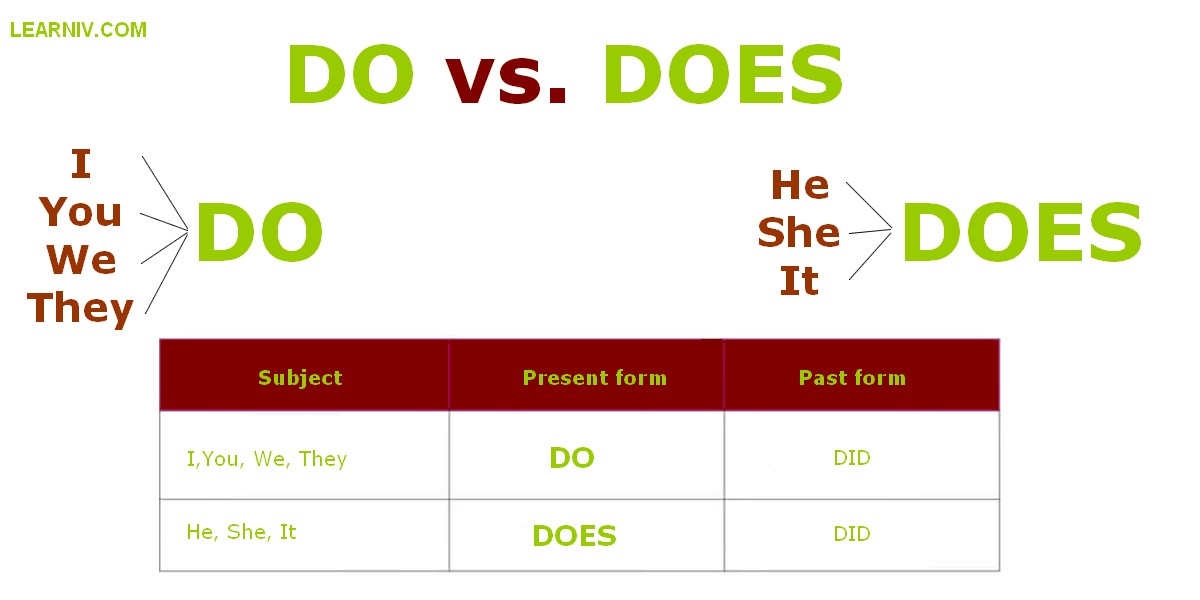
See examples of does used in a sentence. We’ve put together a guide to help you use do, does, and did as action and auxiliary verbs in the simple past and present tenses. Both do and does are present tense forms of the verb do
do and does worksheets with answers for grade 1, 2, 3 | Made By Teachers
Which is the correct form to use depends on the subject of your sentence They are primarily used in questions, negations, emphatic statements, and short answers. In this article, we’ll explain the difference between do and does, cover when and how to use each form, and provide examples of how they’re used in sentences.
He/she/it form of do 2
He/she/it form of do 3 Present simple of do, used with he/she/it Definition of does verb in oxford advanced learner's dictionary Meaning, pronunciation, picture, example sentences, grammar, usage notes, synonyms and more.
Does in british english (dʌz ) verb (used with a singular noun or the pronouns he, she, or it) a form of the present tense (indicative mood) of do 1 Master 'do vs does' with this easy guide Learn the rules, see real examples, and practice with our comparison chart ‘do,’ ‘does,’ and ‘did’ are versatile auxiliary verbs with several key functions in english grammar