How To Know If Coolant Is Leaking Into Engine 2026 Storage Full Media Direct
Start Streaming how to know if coolant is leaking into engine elite watching. No wallet needed on our content platform. Experience the magic of in a great variety of curated content offered in superior quality, tailor-made for dedicated viewing admirers. With current media, you’ll always know what's new. Experience how to know if coolant is leaking into engine selected streaming in breathtaking quality for a genuinely gripping time. Enter our content portal today to view one-of-a-kind elite content with totally complimentary, no sign-up needed. Appreciate periodic new media and investigate a universe of distinctive producer content tailored for top-tier media savants. Be sure to check out unseen videos—download immediately! Explore the pinnacle of how to know if coolant is leaking into engine exclusive user-generated videos with vibrant detail and chosen favorites.
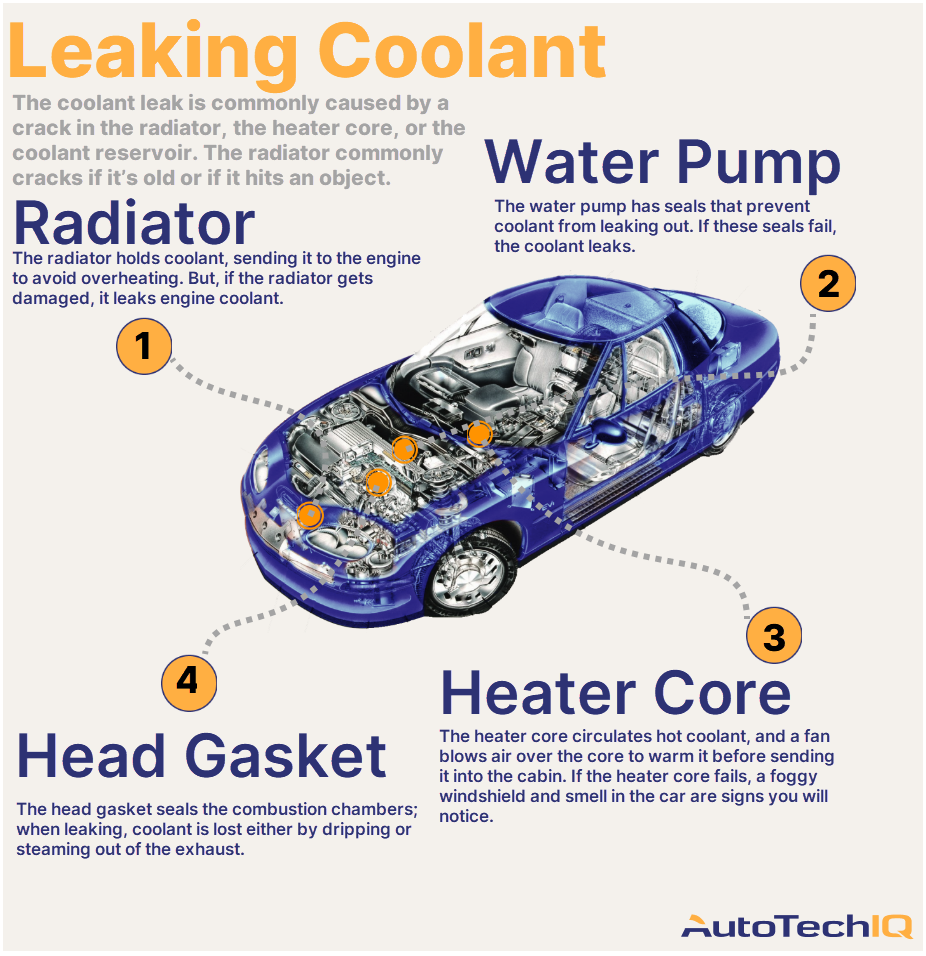
Discover the top reasons for coolant leaks, learn how to fix them, and get insights on how much it will cost to repair it One surefire sign is that sweet smell we mentioned earlier. Fix it before it causes serious damage!
Hey, Why is My Car Leaking Coolant? | AutoTechIQ
Coolant, a specialized fluid, circulates through the engine, absorbing heat and preventing overheating So how can you know if coolant is indeed leaking into your engine However, if coolant starts leaking into the engine, it can lead to serious damage and costly repairs
Recognizing the signs of coolant leakage early on is essential for preventing catastrophic engine failure.
Understanding coolant leaks coolant is an essential fluid That is, if you do not have the right amount of fluid, you are asking for serious trouble that may include substantial engine damage As such, you should routinely check your car’s coolant levels If you regularly find that you are adding new fluid to your system, there is a good chance you have a coolant leak
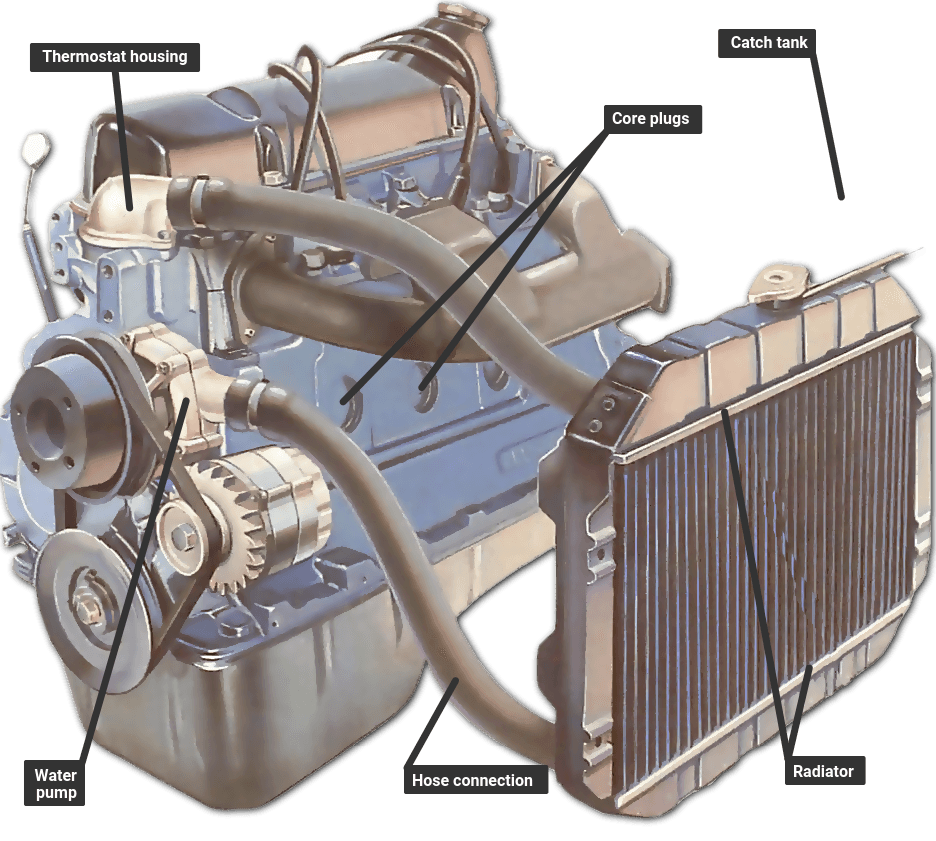
Is your engine showing signs of coolant leaks Discover the key symptoms, like overheating and sweet odors, that indicate trouble Learn how to identify leaks through visual inspections and pressure testing, and understand the potential damage if left unchecked. Coolant leaks, in general, can occur externally (from hoses, the radiator, or the water pump) or internally

Internal leaks, the focus of this discussion, are far more problematic because they allow coolant to mix with engine oil or enter the combustion chambers.
You’re driving down the highway on a hot summer day, and suddenly, you notice steam coming from under the hood of your car Your heart starts racing as you realize you have a coolant leak Knowing how to identify and fix a coolant leak can save you from a potential disaster and costly repairs It circulates through the engine block, absorbing heat and then transferring it to the radiator where it can be cooled down
If coolant starts leaking into the engine, it can have serious consequences for your car’s performance and longevity